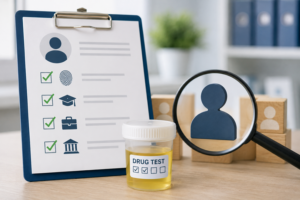
How to Set Up a Workplace Drug Testing Program: A Complete Guide for Employers

How to Set Up a Workplace Drug Testing Program
A well-designed workplace drug testing program is one of the most effective ways to protect employees, reduce workplace accidents, improve productivity, and maintain compliance with industry regulations. Whether you’re a small business, a construction contractor, a transportation company, or a nationwide employer, having a structured drug testing policy helps create a safer and more accountable workplace.
However, implementing a drug testing program involves much more than simply ordering a drug test. Employers must establish clear policies, understand federal and state regulations, select appropriate testing methods, and ensure consistent implementation.
This guide explains everything employers need to know about setting up a legally compliant and effective workplace drug testing program.
Why Employers Need a Drug Testing Program
Substance abuse can negatively impact nearly every aspect of a business.
A comprehensive drug testing program helps employers:
- Reduce workplace accidents and injuries
- Improve employee safety
- Lower workers’ compensation claims
- Increase productivity
- Reduce absenteeism
- Minimize theft and workplace violence
- Maintain compliance with DOT and industry regulations
- Improve hiring quality
- Protect company reputation
- Lower insurance risks
For safety-sensitive industries such as construction, transportation, manufacturing, logistics, energy, healthcare, and warehousing, workplace drug testing is often considered an essential component of risk management.
Benefits of a Workplace Drug Testing Program
An effective program delivers measurable business benefits.
Improved Workplace Safety
Employees under the influence of drugs are more likely to:
- Cause accidents
- Operate equipment unsafely
- Make poor decisions
- Injure themselves or coworkers
Drug testing helps reduce these risks.
Better Productivity
Substance abuse often leads to:
- Missed deadlines
- Lower work quality
- Reduced focus
- Increased errors
A drug-free workforce performs more consistently.
Lower Costs
Employers often experience reductions in:
- Workers’ compensation claims
- Healthcare expenses
- Employee turnover
- Equipment damage
- Legal liabilities
Stronger Hiring Process
Pre-employment drug testing helps employers identify qualified candidates who meet company standards before hiring.
Regulatory Compliance
Certain industries must comply with mandatory testing requirements, including:
- Department of Transportation (DOT)
- Federal contractors
- Nuclear facilities
- Aviation
- Pipeline operators
- Maritime employers
Step 1: Determine Your Business Goals
Before creating a program, identify what you want to achieve.
Common objectives include:
- Creating a drug-free workplace
- Meeting federal regulations
- Improving employee safety
- Reducing accidents
- Lowering insurance claims
- Protecting customers
- Reducing absenteeism
- Supporting employee wellness
Clear objectives help determine which testing methods are appropriate.
Step 2: Understand Federal and State Laws
One of the biggest mistakes employers make is assuming drug testing laws are identical nationwide.
They are not.
Drug testing laws vary significantly by state.
Areas that differ include:
- Employee notification requirements
- Random testing rules
- Marijuana laws
- Medical cannabis protections
- Consent requirements
- Adverse action procedures
- Required policy language
Employers operating in multiple states should develop policies that comply with each state’s requirements.
Federal Laws
Federal regulations may apply if your company is subject to:
- DOT regulations
- OSHA guidance
- Drug-Free Workplace Act
- Federal contractor requirements
Always ensure your policy aligns with applicable federal regulations.
Step 3: Develop a Written Drug Testing Policy
Every workplace drug testing program should begin with a clearly written policy.
Your policy serves as the foundation of the entire program.
A comprehensive policy should include:
Purpose
Explain why your company conducts drug testing.
Example:
- Maintain a safe workplace
- Protect employees
- Reduce accidents
- Comply with regulations
Scope
Specify who is covered.
Examples:
- Full-time employees
- Part-time employees
- Temporary workers
- Contractors (if applicable)
- Applicants
Prohibited Conduct
Clearly define prohibited behaviors.
Examples include:
- Illegal drug use
- Possession of controlled substances
- Working under the influence
- Alcohol impairment
- Misuse of prescription medications
Types of Drug Testing
Describe each testing situation.
Common categories include:
- Pre-employment
- Random
- Reasonable suspicion
- Post-accident
- Return-to-duty
- Follow-up
- Periodic testing
Employee Responsibilities
Include expectations regarding:
- Reporting medications
- Cooperation with testing
- Confidentiality
- Reporting accidents
Consequences of Policy Violations
Outline disciplinary procedures.
Examples:
- Removal from duty
- Referral to Employee Assistance Program (EAP)
- Suspension
- Termination (where appropriate)
Step 4: Choose the Right Types of Drug Testing
Most employers use multiple testing methods.
Pre-Employment Drug Testing
Conducted after a conditional job offer.
Purpose:
- Screen applicants before hiring
- Reduce hiring risks
- Maintain consistent hiring standards
Best for:
- Nearly every industry
Random Drug Testing
Employees are selected through a scientifically valid random process.
Benefits:
- Strong deterrent
- Reduces ongoing substance abuse
- Encourages accountability
Common in:
- DOT-regulated employers
- Construction
- Transportation
- Manufacturing
Reasonable Suspicion Testing
Performed when trained supervisors observe signs of possible drug or alcohol impairment.
Indicators may include:
- Slurred speech
- Unsteady movement
- Erratic behavior
- Odor of alcohol or drugs
- Unsafe actions
Documentation is essential.
Post-Accident Testing
Performed following workplace accidents to determine whether drugs or alcohol may have contributed.
Often required for:
- Construction
- Transportation
- Heavy equipment operations
Return-to-Duty Testing
Required after an employee completes treatment or rehabilitation before returning to safety-sensitive duties.
Follow-Up Testing
Conducted periodically after an employee returns to work following a substance abuse violation.
Step 5: Select Appropriate Drug Testing Methods
Different testing methods serve different purposes.
Urine Drug Testing
The most commonly used method.
Advantages:
- Cost-effective
- Widely accepted
- Extensive laboratory validation
- Suitable for most employment testing
Typical detection window:
1–4 days for many substances (longer for some drugs).
Hair Drug Testing
Advantages:
- Detects long-term drug use
- Difficult to adulterate
- Approximately 90-day detection window
Best for:
- Executive hiring
- High-security positions
- Pre-employment screening
Oral Fluid (Saliva) Testing
Advantages:
- Observed collection
- Detects recent drug use
- Less invasive
Best for:
- Post-accident
- Reasonable suspicion
- Random testing
Instant Drug Testing
Provides rapid preliminary results.
Benefits:
- Fast decisions
- Lower costs
- Convenient
Non-negative results should be confirmed by a certified laboratory.
Step 6: Partner with a Certified Drug Testing Provider
Choosing an experienced testing provider simplifies implementation.
Look for providers that offer:
- Nationwide testing locations
- Laboratory-certified testing
- Medical Review Officer (MRO) services
- Electronic ordering
- Online results portal
- Employer support
- DOT expertise
- Policy assistance
- Random testing program management
A reliable partner can help ensure consistency and compliance across your organization.
Step 7: Train Supervisors
Supervisor training is one of the most overlooked aspects of workplace drug testing.
Managers should know how to:
- Recognize signs of impairment
- Document observations
- Handle reasonable suspicion situations
- Maintain confidentiality
- Follow company procedures
- Avoid discrimination
- Respond professionally
Proper training reduces legal risks.
Step 8: Communicate the Policy to Employees
Transparency builds trust.
Employees should receive:
- Written policy
- Employee handbook updates
- Training sessions
- Frequently asked questions
- Acknowledgment forms
Every employee should understand:
- When testing occurs
- Why testing is conducted
- Their rights
- Company expectations
Step 9: Ensure Confidentiality
Drug testing results should remain confidential.
Limit access to:
- HR
- Designated managers
- Medical Review Officer
- Authorized personnel
Maintain records securely and separately from general personnel files when required by applicable law.
Step 10: Review and Update the Program Regularly
Drug testing laws continue to evolve.
Review your program annually or whenever significant legal changes occur.
Update:
- State law compliance
- Marijuana policies
- Testing technologies
- Company procedures
- Supervisor training
- Employee communications
Regular reviews help ensure your program remains effective and compliant.
Common Mistakes Employers Should Avoid
Avoid these common errors when implementing a workplace drug testing program:
No Written Policy
A verbal policy creates confusion and increases legal risk.
Inconsistent Testing
Apply testing consistently across similarly situated employees to avoid discrimination claims.
Ignoring State Laws
State requirements vary, particularly regarding marijuana and employee protections.
Poor Documentation
Maintain detailed records of:
- Testing decisions
- Supervisor observations
- Employee acknowledgments
- Laboratory reports
- Corrective actions
Insufficient Supervisor Training
Supervisors must understand policy requirements and recognize signs of impairment.
Failing to Confirm Positive Results
Presumptive positive results from instant tests should always be confirmed through a certified laboratory and reviewed by a Medical Review Officer before employment decisions are made.
Industries That Benefit Most from Workplace Drug Testing
Drug testing programs are especially valuable in industries with safety-sensitive roles, including:
- Construction
- Transportation
- Trucking
- Manufacturing
- Warehousing
- Distribution
- Oil and gas
- Utilities
- Aviation
- Healthcare
- Security
- Mining
- Government contractors
- Logistics
- Food processing
- Public works
However, organizations in virtually every industry can benefit from a clear, legally compliant drug testing program.
Best Practices for a Successful Drug Testing Program
Follow these proven practices:
- Develop a comprehensive written policy.
- Ensure compliance with federal and state laws.
- Apply testing consistently.
- Use certified laboratories.
- Work with qualified Medical Review Officers.
- Train supervisors regularly.
- Maintain confidentiality.
- Keep accurate documentation.
- Review policies annually.
- Partner with an experienced testing provider.
Conclusion
A workplace drug testing program is more than a hiring tool—it’s a proactive investment in employee safety, operational efficiency, and regulatory compliance. By establishing clear policies, selecting the right testing methods, training supervisors, and partnering with a trusted drug testing provider, employers can create a safer, more productive work environment while reducing legal and financial risks.
Whether you’re launching your first drug testing program or refining an existing one, taking a structured and compliant approach will help protect your workforce and your business for years to come.
Frequently Asked Questions
Is workplace drug testing legal?
Yes. In the United States, workplace drug testing is generally legal, but employers must comply with applicable federal, state, and local laws. Requirements vary by jurisdiction, especially regarding notice, consent, and marijuana protections.
What is the most common type of workplace drug test?
Urine drug testing remains the most widely used method because it is reliable, cost-effective, and accepted across most industries.
Can employers conduct random drug testing?
Many employers may conduct random drug testing, particularly in safety-sensitive industries. However, state laws differ, and some jurisdictions impose additional requirements or restrictions.
How often should a workplace drug testing policy be updated?
Review your policy at least once a year and whenever there are changes to federal or state laws, company operations, or testing procedures.
Should employers test for marijuana?
This depends on your industry, job roles, and the laws in the states where you operate. Employers should work with legal counsel or a qualified testing provider to ensure their marijuana testing policies comply with current regulations.
Build a Safer, Drug-Free Workplace with Confidence
Whether you need pre-employment, random, post-accident, DOT, or nationwide workplace drug testing, US Health Testing can help you create a compliant, customized program that fits your business needs. Our experts provide policy guidance, nationwide testing access, certified laboratory services, Medical Review Officer (MRO) review, and ongoing program support.
Contact US Health Testing today to design a workplace drug testing program that enhances safety, supports compliance, and protects your organization.